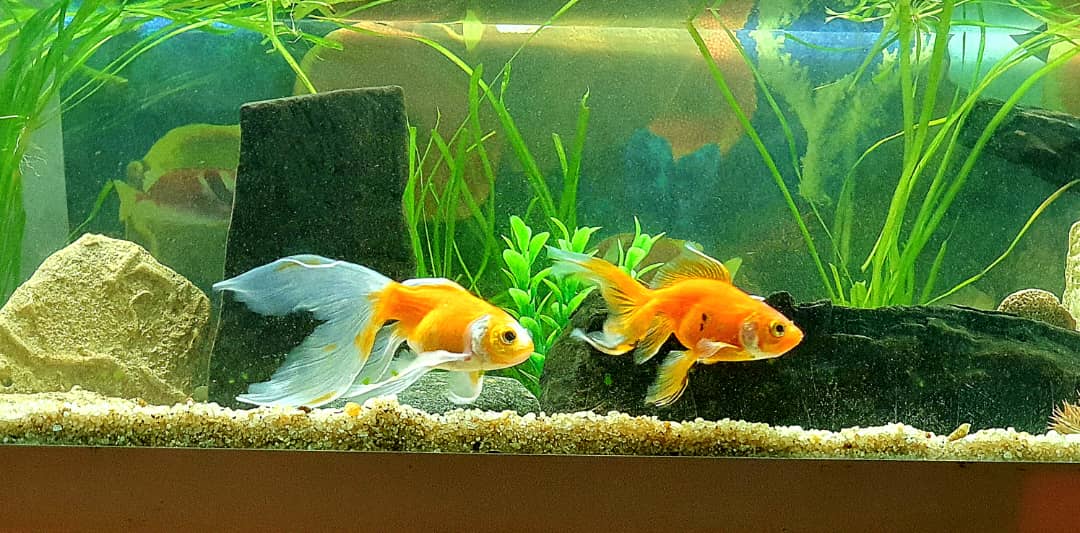
Oranda veil tail goldfish is a stunning ornamental fish recognized for its flowing fins and distinctive head growth. Peaceful and hardy, it thrives in aquariums or ponds with good water quality. Perfect for hobbyists looking to add elegance and beauty to their setup.
Based on 0 reviews
Be the first to review “Oranda Veil Tail Goldfish” Cancel reply
Related products
-
Aquaculture, Dry Goods, GOODS
Air Blower 1Hp
0 out of 5(0)A fish air blower, also known as a fish pond air blower or an aquaculture air blower, is a pump that pushes air into the water to provide oxygen and promote water circulation. These blowers are crucial in fish farming and other aquaculture operations to ensure the health and well-being of aquatic life.
Here’s a more detailed breakdown:
Function:-
Aeration:
Air blowers introduce air into the water, increasing the level of dissolved oxygen, which is essential for fish and other aquatic animals to breathe.
-
Circulation:
The movement of air bubbles helps circulate water, preventing stratification (layers of water with different temperatures and oxygen levels) and ensuring a more even distribution of oxygen throughout the tank or pond.
-
Pneumatic Conveying:
In some aquaculture systems, air blowers can be used to move fish, feed pellets, or other materials using pneumatic systems.
-
Other Applications:Air blowers can also be used to create bubble curtains to protect against certain threats, or to create a pressure system for loading and unloading live fish.Benefits:
-
Improved Oxygen Levels:Essential for fish survival and growth, especially in densely stocked ponds.
-
Reduced Stress:Maintaining proper oxygen levels and water circulation can reduce stress on fish.
-
Disease Prevention:Aeration can help prevent the buildup of harmful bacteria and parasites.
-
Faster Growth:Improved oxygen levels and water circulation can lead to faster fish grow
-
SKU: n/a₦350,000.00 -
-
Aquaculture, Dry Goods, GOODS
ULTRAVIOLET (UV) LIGHT
0 out of 5(0)UV light is primarily used to disinfect water, eliminating bacteria, viruses, and pathogens. In Aquaculture, it is critical for maintaining water quality in fish farms, aquaponics systems, and RAS Aquaculture, ensuring clean water without the need for chemicals or additives.
Ultraviolet (UV) disinfection is a crucial tool in fish farming for maintaining water quality and controlling disease outbreaks by neutralizing harmful microorganisms. UV light, particularly UV-C, effectively inactivates bacteria, viruses, and other pathogens by damaging their DNA and RNA, preventing them from replicating and causing harm to the fish.
Here’s a more detailed explanation:
How UV Disinfection Works:
- Inactivation of Microorganisms:
UV light, especially UV-C (wavelengths around 254 nm), is absorbed by the DNA and RNA of microorganisms. This absorption disrupts the DNA’s structure, preventing replication and reducing the likelihood of disease outbreaks.
- Non-chemical Disinfection:
UV disinfection is a chemical-free process, making it environmentally friendly and minimizing potential harm to the fish or the water ecosystem.
- Improved Water Quality:
By removing harmful microorganisms, UV treatment enhances water clarity and reduces the risk of disease transmission, leading to healthier fish and higher survival rates.
- Application in Fish Farming:
UV systems are commonly used in various stages of fish farming, including:
- Hatcheries:Disinfecting water for egg incubation and raising juvenile fish.
- Recirculating Systems:Eliminating pathogens in water before it’s recirculated back into the tanks.
- Intake Water:Treating incoming water to prevent the introduction of pathogens into the aquaculture system.
- UV Systems:
UV systems typically consist of a UV lamp (usually low-pressure mercury arc lamps) and a reactor chamber where the water is exposed to the UV light. The UV lamp emits UV radiation that inactivate the microorganisms present in the water.
- UV Dose:
The effectiveness of UV disinfection depends on the UV dose, which is the amount of UV energy delivered to the water. This is influenced by factors such as UV lamp intensity, water flow rate, and water clarity.
- Benefits:
UV disinfection helps to:
- Reduce disease outbreaks.
- Improve fish health and growth.
- Reduce mortality rates.
- Increase profitability for aquaculture operations.
SKU: n/a₦155,000.00₦170,000.00 -
Aquatics, GOODS, Ornamental Fishes, Wet Goods
PARADISE FISH
0 out of 5(0)Paradise fish are tolerant of a wide range of water conditions, surviving in cool and warm waters alike. In the wild, they are most commonly found in shallow water containing dense vegetation, such as a marsh or rice field. However they can be kept in outdoor ponds, or even the simplest of unheated aquaria.- Scientific Name: Macropodus opercularis.
- Common Names: Paradise fish, blue paradise gourami.
- Origin: Southeast Asia, including China, Vietnam, Taiwan, and other regions.
- Habitat: Found in slow-moving or still waters like streams, paddy fields, and marshes.
- Size: Can grow up to 4 inches (10 cm) in length.
- Lifespan: Can live up to 8 years with proper care.
- Temperament: Territorial and can be aggressive towards other fish, especially males.
- Diet: Omnivorous, accepting a variety of foods including flakes, live foods, and even some vegetables.
- Tank Requirements: Need a spacious tank (at least 10 gallons) with plenty of plants and hiding places, according to Petco.
- Air Breathing: Possess a labyrinth organ, allowing them to breathe atmospheric air.
- Breeding: Bubble nest builders, with males displaying vibrant colors during breeding season.
Unique Characteristics:- Colors and Patterns: Known for their striking blue and red/orange stripes and patterns.
- Sexing: Males are more colorful and have elongated fins compared to females.
- Adaptability: Can tolerate a wide range of water conditions, including low oxygen levels.
SKU: n/a₦5,000.00 - Scientific Name: Macropodus opercularis.


There are no reviews yet.