
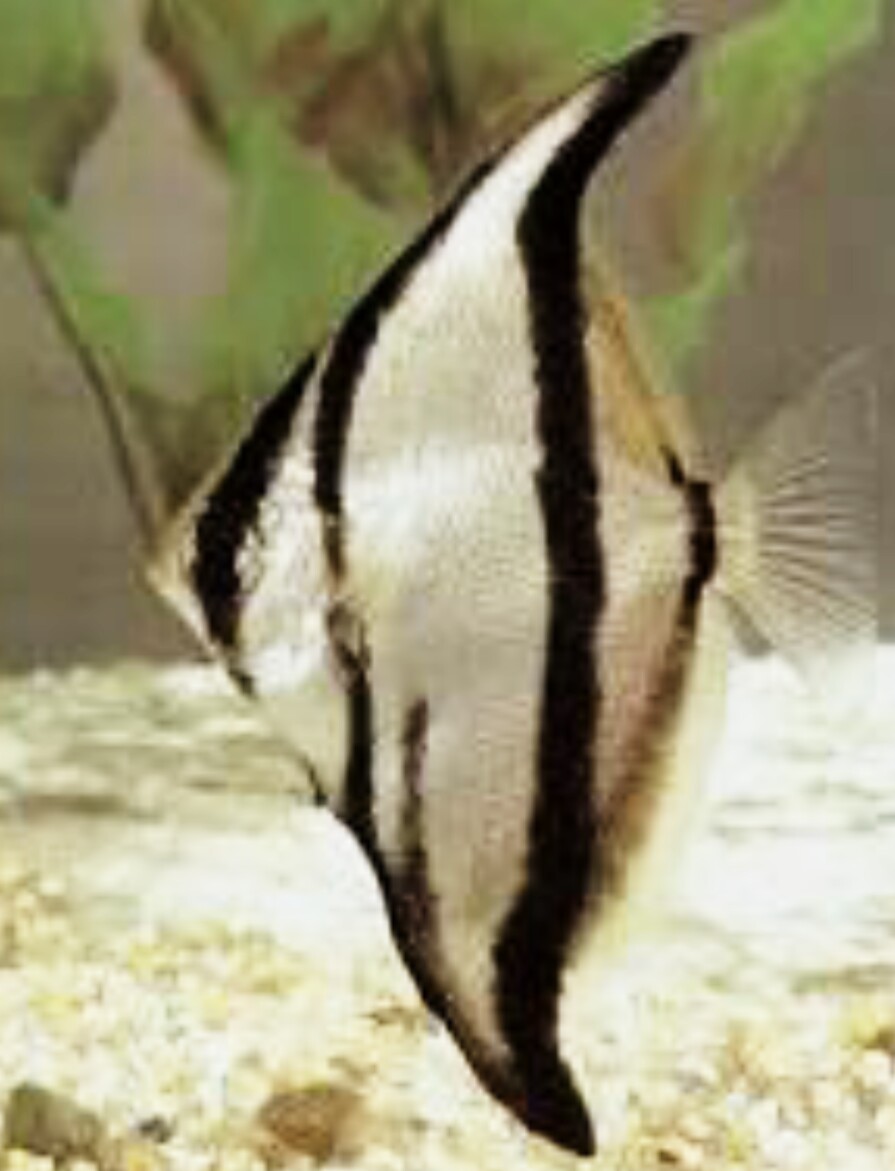
Mono fish is a bright silver, active schooling fish with bold black markings. Hardy and fast-growing, it thrives best in brackish water and becomes more striking as it matures. Ideal for large aquariums and hobbyists who enjoy energetic, eye-catching fish.
Related products
-
Aquaculture, Dry Goods, GOODS
ULTRAVIOLET (UV) LIGHT
UV light is primarily used to disinfect water, eliminating bacteria, viruses, and pathogens. In Aquaculture, it is critical for maintaining water quality in fish farms, aquaponics systems, and RAS Aquaculture, ensuring clean water without the need for chemicals or additives.
Ultraviolet (UV) disinfection is a crucial tool in fish farming for maintaining water quality and controlling disease outbreaks by neutralizing harmful microorganisms. UV light, particularly UV-C, effectively inactivates bacteria, viruses, and other pathogens by damaging their DNA and RNA, preventing them from replicating and causing harm to the fish.
Here’s a more detailed explanation:
How UV Disinfection Works:
- Inactivation of Microorganisms:
UV light, especially UV-C (wavelengths around 254 nm), is absorbed by the DNA and RNA of microorganisms. This absorption disrupts the DNA’s structure, preventing replication and reducing the likelihood of disease outbreaks.
- Non-chemical Disinfection:
UV disinfection is a chemical-free process, making it environmentally friendly and minimizing potential harm to the fish or the water ecosystem.
- Improved Water Quality:
By removing harmful microorganisms, UV treatment enhances water clarity and reduces the risk of disease transmission, leading to healthier fish and higher survival rates.
- Application in Fish Farming:
UV systems are commonly used in various stages of fish farming, including:
- Hatcheries:Disinfecting water for egg incubation and raising juvenile fish.
- Recirculating Systems:Eliminating pathogens in water before it’s recirculated back into the tanks.
- Intake Water:Treating incoming water to prevent the introduction of pathogens into the aquaculture system.
- UV Systems:
UV systems typically consist of a UV lamp (usually low-pressure mercury arc lamps) and a reactor chamber where the water is exposed to the UV light. The UV lamp emits UV radiation that inactivate the microorganisms present in the water.
- UV Dose:
The effectiveness of UV disinfection depends on the UV dose, which is the amount of UV energy delivered to the water. This is influenced by factors such as UV lamp intensity, water flow rate, and water clarity.
- Benefits:
UV disinfection helps to:
- Reduce disease outbreaks.
- Improve fish health and growth.
- Reduce mortality rates.
- Increase profitability for aquaculture operations.
SKU: n/a -
Aquatics, GOODS, Ornamental Fishes, Wet Goods
Angel Fish
Freshwater Angelfish are a popular type of aquarium fish known for their distinctive shape and colours. They are native to South America’s tropical rivers and are typically found in slow-moving, vegetated waters. Angelfish are generally peaceful, but can become territorial, especially during breeding season. They are omnivores and enjoy a varied diet including live foods like bloodworms and brine shrimp.
SKU: n/a -
Aquaculture, Dry Goods, GOODS
Small Portable Hand Net
A must-have tool for every fish keeper, this Small Portable Hand Net is perfect for gently catching, moving, or inspecting fish in aquariums. With its lightweight handle and fine mesh, it’s designed to be soft on your fish while giving you full control.
Whether you’re scooping up debris, removing uneaten food, or safely transferring your fish, this net makes the job quick, easy, and stress-free — for both you and the fish.
Simple, handy, and essential — it’s the perfect net for all your small aquatic tasks.
SKU: n/a


There are no reviews yet.